How to Treat Prescription Drug Misuse and Start Recovery Safely
If you are trying to understand how to treat prescription drug misuse, you are already taking an important step toward improving your health and your future. Prescription medications can help when used correctly, but misuse can develop gradually and begin to affect your daily routine, emotional well-being, and overall stability.
You might be wondering when it becomes a real concern and what you should do next. Getting familiar with early patterns can help you take action sooner, and learning more about how substance use issues can develop and what early warning signs look like can give you a clearer understanding of what to watch for.
Understanding How Misuse Turns Into Dependence
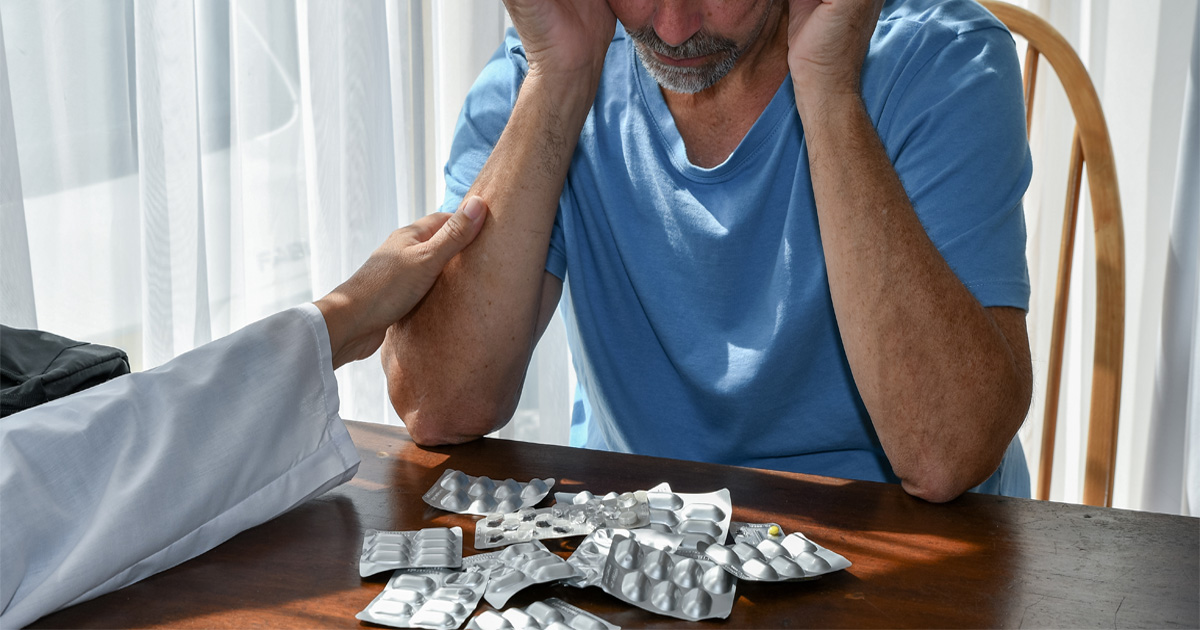
Prescription drug misuse often starts in ways that feel manageable at first. You might take a slightly higher dose to feel relief faster or continue using medication even after your symptoms improve. Over time, your body begins to adapt, and what once felt optional can start to feel necessary.
As this pattern develops, you may notice changes in how you think and feel. It can become harder to go without the medication, and you might find yourself relying on it to handle stress, discomfort, or emotional challenges. This is where misuse can gradually shift into a more serious dependency.
How to Treat Prescription Drug Misuse
Treatment focuses on helping you safely step away from medication misuse while also addressing the underlying reasons it developed in the first place. Recovery is not just about stopping. It is about creating a healthier and more stable way of living.
Medical Evaluation and Personalized Planning
The first step is understanding your situation clearly. A professional evaluation helps identify what kind of support you need and what approach will be most effective. This often includes reviewing your medical history, how long the medication has been used, and whether withdrawal symptoms are likely to occur.
This step matters because no two situations are the same. A personalized plan gives you a better chance of long-term success and helps reduce unnecessary risks during recovery.
Managing Withdrawal Symptoms Safely
Withdrawal can feel intimidating, especially if you are unsure what to expect. Depending on the medication, symptoms can range from mild discomfort to more intense physical and emotional reactions.
You might experience restlessness, trouble sleeping, or strong cravings. In some cases, symptoms like nausea or anxiety can make it difficult to function normally. This is why many people benefit from structured detox support. According to Mayo Clinic (2024), medical supervision during this phase can help manage symptoms safely and reduce complications.
Therapy and Behavioral Support
Once the physical side of recovery is addressed, attention shifts to behavior and mindset. This is where therapy plays a key role. It helps you understand why misuse developed and how to respond differently moving forward.
For example, cognitive behavioral therapy can help you recognize thought patterns that lead to misuse and replace them with healthier responses. Counseling sessions also provide a space to talk through challenges and build practical coping strategies. Over time, this helps you feel more in control and better prepared to handle difficult situations without relying on medication.
Choosing the Right Treatment Approach
You might be wondering which type of care is right for you. The answer depends on your lifestyle, your level of dependence, and how much support you need on a daily basis.
Some people benefit from structured, full-time care where support is available around the clock. Others may do well with flexible programs that allow them to continue working or managing responsibilities while receiving treatment. If you are exploring what care options might look like, reviewing resources such as programs that support different stages of recovery can help you better understand what to expect.
Building Long-Term Recovery Support
Recovery does not end after the initial stages of treatment. In many ways, that is just the beginning. Long-term success comes from building routines and support systems that help you stay consistent.
This often means continuing therapy, staying connected with support groups, and learning how to manage stress in healthier ways. According to National Institute on Drug Abuse (2023), ongoing support plays a major role in maintaining progress and reducing the risk of relapse.
Common Challenges During Recovery
Recovery can feel uncertain at times, and it is normal to face challenges along the way. You may find that certain situations trigger cravings or that stress makes it harder to stay focused on your goals.
There may also be moments when progress feels slow, or when you question whether you are moving forward at all. These experiences are common and do not mean you are failing. What matters most is how you respond and whether you continue taking steps in the right direction.
What to Expect as You Move Forward
Recovery is a process that unfolds over time. Some people begin to feel improvements within a few weeks, while others need longer periods of structured support. The timeline depends on several factors, including the type of medication involved and your overall health.
In the early stages, the focus is often on stabilization and managing withdrawal. As you move forward, attention shifts to building habits that support long-term recovery. Progress may feel gradual, but each step contributes to lasting change.
Practical Ways to Stay Consistent
Staying on track during recovery is not about perfection. It is about consistency. Small, daily actions can make a meaningful difference over time.
For example, maintaining a routine can help you stay grounded and reduce uncertainty. Avoiding environments that trigger misuse can also make it easier to stay focused. Many people find that simple practices like regular exercise, journaling, or mindfulness can improve both mental and emotional well-being.
The goal is to create a lifestyle that supports your recovery rather than working against it.
Frequently Asked Questions
If you feel like you are relying on medication more than prescribed or have trouble stopping on your own, it may be a sign that you need support. You might also notice withdrawal symptoms or strong cravings when you try to cut back. Seeking guidance early can make the recovery process safer and more manageable.
Yes, some people are able to recover through outpatient programs, especially if their situation is mild to moderate. These programs allow you to continue daily responsibilities while still receiving structured support. However, more intensive care may be recommended if withdrawal symptoms or dependency are more severe.
Recovery timelines can vary depending on the type of medication and how long misuse has been happening. Some people begin to feel improvements within a few weeks, while others may need several months of ongoing support. Long-term recovery is a gradual process that focuses on consistency rather than speed.
Opioids, benzodiazepines, and stimulants are among the most commonly misused prescription medications. These drugs can affect the brain in ways that increase the risk of dependence when not used as directed. Understanding how they work can help you recognize potential risks earlier.
Relapse can happen during recovery, and it does not mean that progress has been lost. It is often a sign that adjustments are needed in your treatment plan or support system. With the right guidance, many people are able to learn from setbacks and continue moving forward.
Understanding Your Next Step Toward Recovery
Learning about recovery is an important step, but meaningful change happens when you begin to take action. With the right support, structure, and guidance, you can move forward in a way that feels manageable and sustainable.
If you are ready to explore what support may look like for your situation, you can learn more about your options for Substance Abuse Treatment and begin taking steps toward a healthier and more stable future.
Disclaimer
This content is for informational purposes only and does not replace professional medical advice, diagnosis, or treatment. Always consult a qualified healthcare provider for guidance specific to your situation.